


Tess Corbin
2 min read · Feb 04, 2026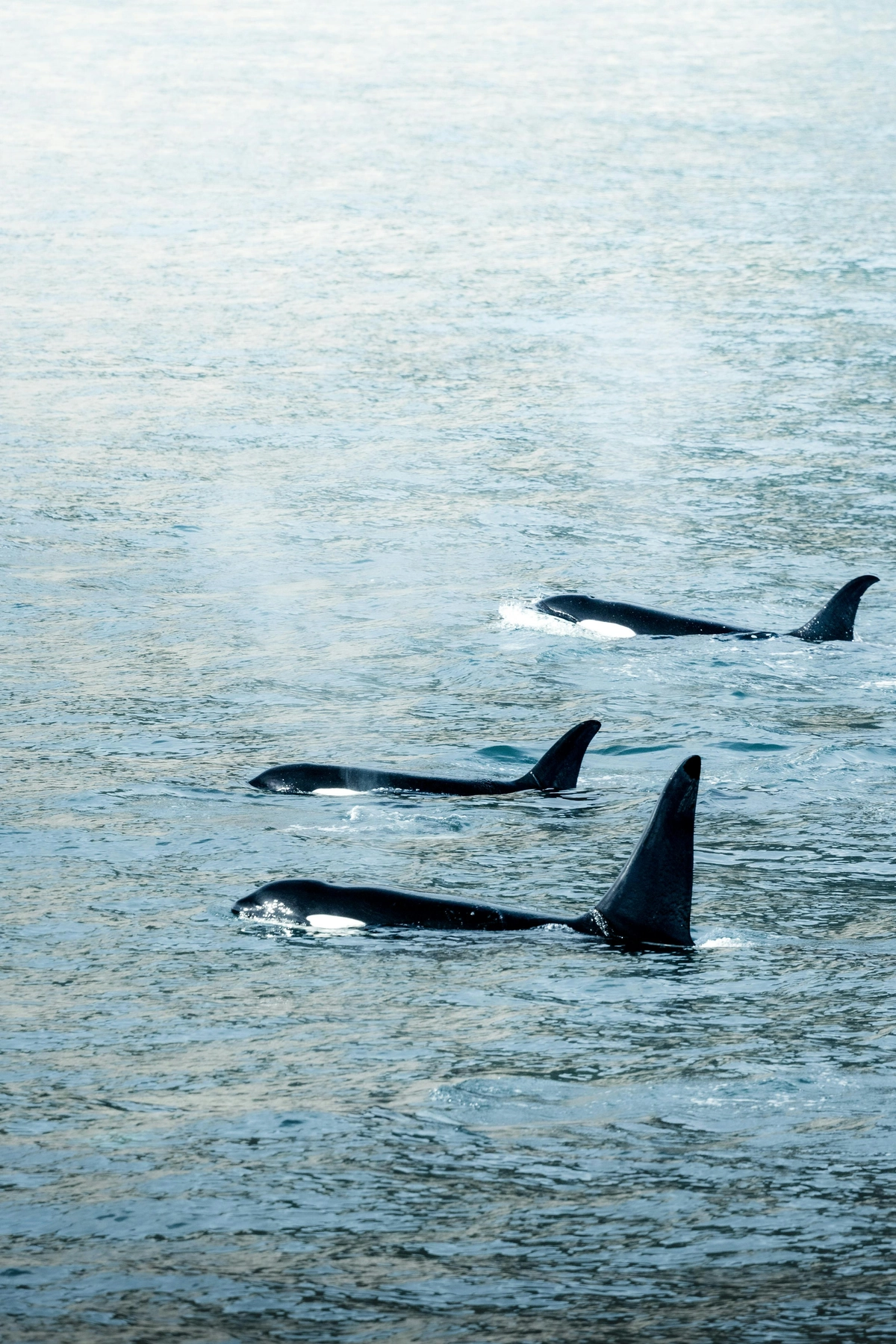
Since 2020 more than 500 orca interactions along the coast of Portugal and around the Strait Of Gibraltar gained attention because of the destructive behaviour of the killing whales ramming their bodies onto vessels, tearing and biting off the rudders until they decide either leaving the boat alone or sinking it down. They seem to target mid-size boats, catamarans, and yachts. Once a pod of orcas start circling a vessel they get organized pretty quickly either for a game they learned from their mother or for an act of revenge, again a learned behaviour from their mother. Spain and Portugal have hotlines to call the coast guards when a pod of orcas are engaged in an attack but sometimes the time could be too short to save the boats undamaged. When the orcas break the rudder the boats loose control and become easy for the orcas to sink them or give them irreparable damage.
Marine scientists and researchers have differents views on why these mammals began attacking boats in recent years. Some believe they are very intelligent animals and are just being playful, playing a game they watched and learned from their mothers. Some think it could be related to the memory of an unfortunate encounter between a mother orca and a boat where the animal got hurt by the collison and her pain turned into revengfulness. By 2022 about 31 orcas were identified as having interacted in the incidents. According to the witnesses and recordings of the encounters the mother of one of the pods of orcas named Gladis Blanca (White Gladis) got involved in many of those attacks. Her offspring Gladis Flabres, and her sisters Gladis Dalila and Gladis Clara also had direct contact with the vessels.
So far the only method that worked to calm the animals were slowing down and stopping the vessels. Orcas live up to 100 years old, some of them might remember the times when the oceans were a quite world. The noise and the sound of boat engines could be serious auditory disburbances for the very sensitive orcas.