


Mara Jensen
3 min read · May 03, 2026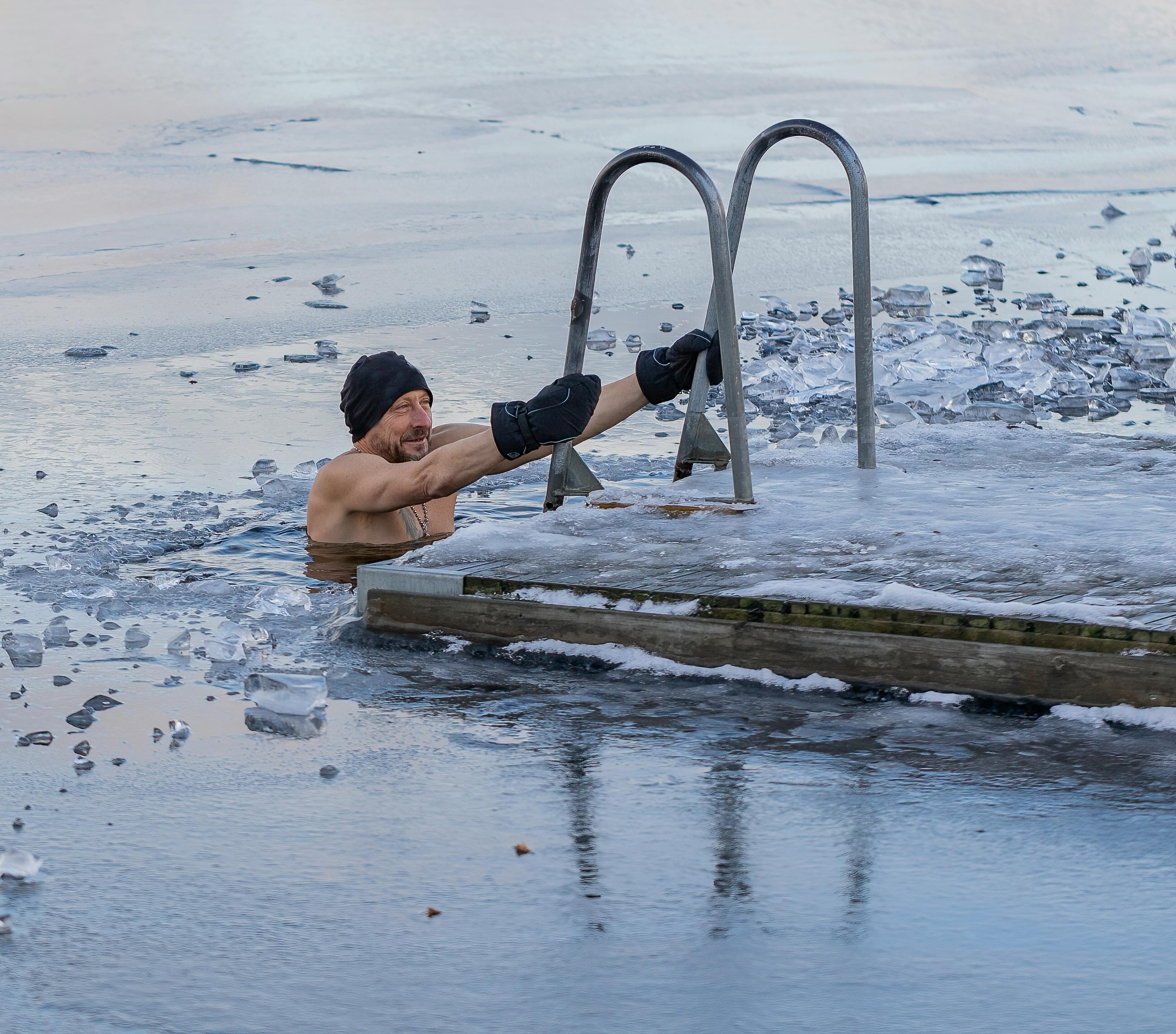
Cold plunging has officially crossed over from fringe ritual to cultural moment. It’s in boutique studios, on celebrity feeds, and in the group‑chat debates about “dopamine hacks.” But beneath the trend cycle is a surprisingly rich body of physiology — and a growing scientific curiosity about why a few minutes in icy water can make people feel so good.
The Body’s Instant Reaction
Step into cold water and your body doesn’t whisper — it shouts. Skin sensors fire off alarms, blood vessels tighten to protect core temperature, and the nervous system releases a sharp burst of norepinephrine, the neurotransmitter tied to alertness and focus. This is the cold shock response, and it’s the reason the first 10 seconds feel like a full‑body wake‑up call.
Researchers are increasingly interested in what happens after that shock. Repeated exposure appears to recalibrate the stress response, potentially lowering baseline cortisol and improving emotional resilience. It’s early science, but the mechanisms are biologically sound — and they align with what many plungers report anecdotally: a calmer mind, steadier mood, and a surprising sense of clarity.
What Studies Are Starting to Show
While the field is still young, recent research is building momentum:
- A 2022 review in the International Journal of Circumpolar Health highlighted growing evidence that cold‑water immersion can improve mood, reduce stress hormones, and enhance perceived energy.
- Cold exposure activates thermogenic fat, the heat‑producing fat that burns calories to keep the body warm. Scientists are exploring whether this could support metabolic health.
- Some studies suggest improvements in vagal tone, which plays a role in emotional regulation and cardiovascular stability.
None of this makes cold plunging a cure‑all, but it does explain why researchers — not just influencers — are paying attention.
The Social Side of the Ice
What’s new isn’t the cold water; it’s the culture forming around it. Studios now offer guided plunges with breathwork, sauna cycles, and soundscapes. People go not just for the physiological hit, but for the collective experience — a kind of wellness micro‑community built around shared discomfort and shared euphoria.
Social connection itself has measurable effects on stress and inflammation, which means the benefits may come from the ritual + the people, not just the temperature.
The Fine Print
Cold immersion isn’t risk‑free. Research in Lifestyle Medicine and other journals notes potential dangers, including:
- Cold shock and involuntary hyperventilation
- Strain on the heart, especially for those with underlying conditions
- Loss of motor control in very cold water
Experts recommend gradual exposure, supervision for beginners, and avoiding extreme temperatures unless medically cleared.
The Takeaway
Cold plunging sits at the intersection of biology, psychology, and modern culture. The science is promising, the mechanisms are compelling, and the communal aspect adds a dimension that lab studies can’t fully capture. It’s not magic — but it is a fascinating blend of ancient practice and contemporary curiosity, wrapped in a ritual that feels both grounding and electrifying.
Interest Area